What Is the Difference Between Branding and Logo Design?
Many founders believe they need a logo when starting a business. In reality, what they often need is a brand.
While logo design and branding are related, they are not the same thing. A logo is a visual mark. Branding is the system, strategy, and emotional positioning behind it.
Understanding this difference can completely change the trajectory of your business. A strong logo can look beautiful, but without a cohesive brand foundation, it won’t create clarity, trust, or long-term recognition.
Let’s break down the difference and why it matters.
What Is a Logo?
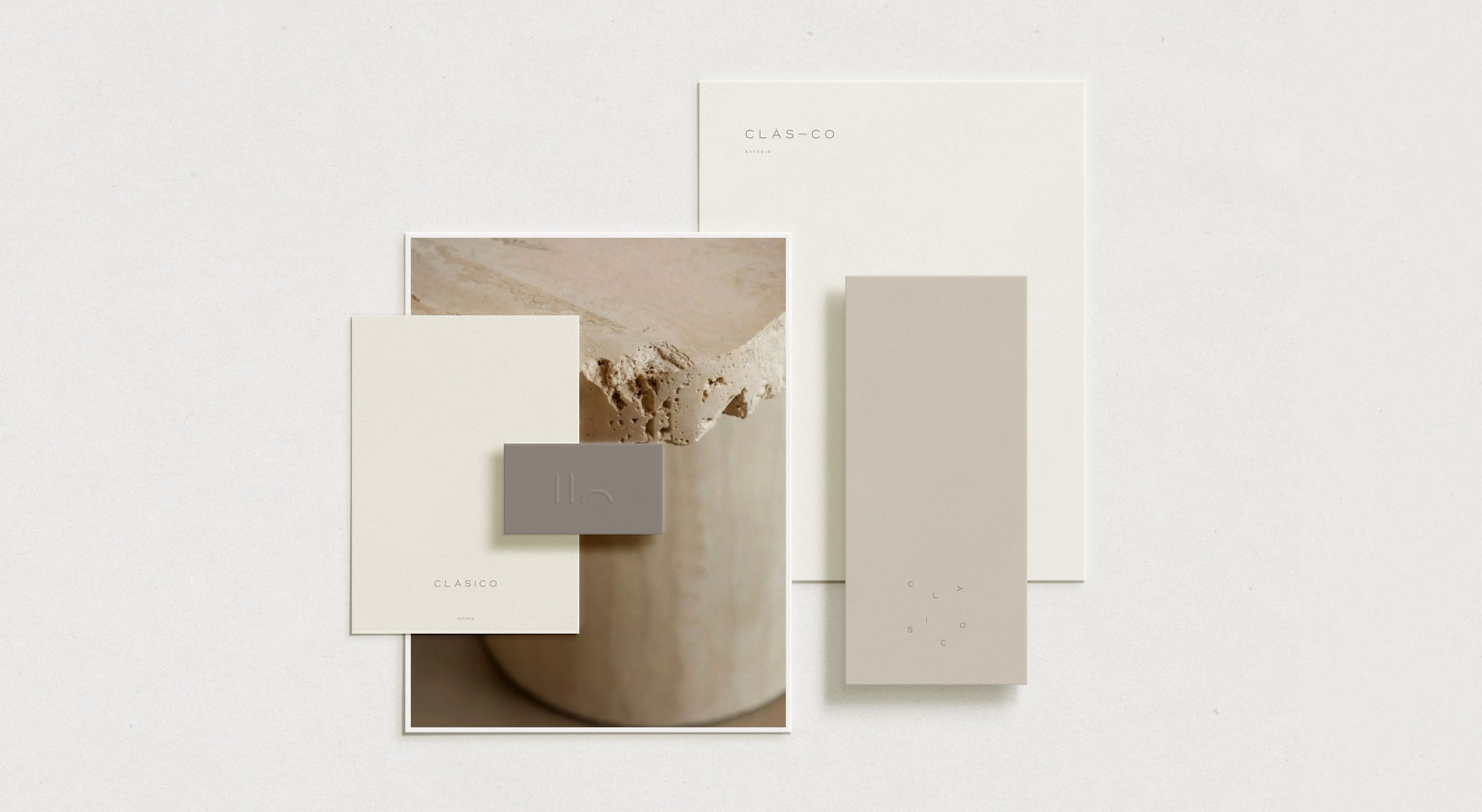
A logo is a visual symbol that represents your business.
It can be a wordmark, monogram, symbol, or combination mark. Its role is identification. It helps people recognize your company.
A logo answers one question:
Who are you?
It does not answer:
Why should I trust you?
What makes you different?
How should I feel about your brand?
A logo is one element of a larger system.
Think of it as the signature, not the entire personality.
What Is Branding?
Branding is the full strategic and visual ecosystem behind your business.
It includes:
Positioning
Target audience clarity
Tone of voice
Messaging direction
Typography system
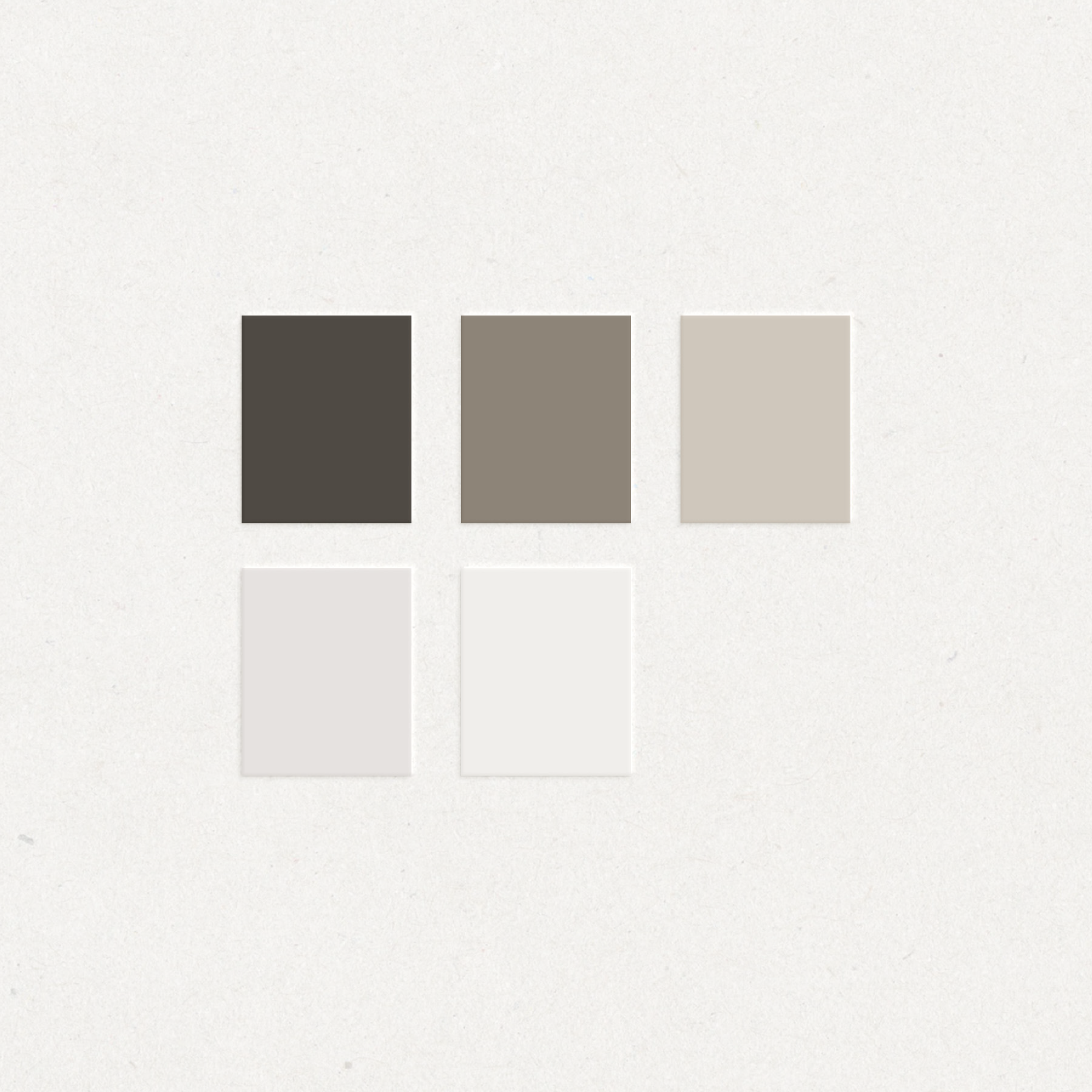
Color palette
Visual language
Guidelines for consistency
Branding answers bigger questions:
Who are you speaking to?
What emotional space do you occupy?
How are you different from competitors?
What experience do you create?
Branding builds perception.
A logo marks your presence.
Branding shapes how people remember you.
Why the Difference Matters
If you only design a logo without defining your brand foundation, your business may look inconsistent across platforms.
Your website might feel disconnected from your social media.
Your packaging might not match your positioning.
Your messaging might feel unclear.
When branding is done properly, every touchpoint feels intentional.
Luxury brands are a perfect example. Their logos are often minimal. The power comes from the system behind them. The restraint, the consistency, the clarity.
That is branding.
Common Mistakes Founders Make
-
Many founders assume a logo will solve clarity issues. It rarely does.
-
Trend-driven logos may look modern today but feel dated quickly.
-
Without defining audience and positioning first, visuals become decoration instead of communication.
-
Using different fonts, tones, or styles across platforms weakens recognition.
When Do You Actually Need Branding?
You need branding when:
You want to attract a specific level of clientele
You are positioning as premium or luxury
You want to raise your pricing
You want long-term growth, not short-term visibility
You want cohesion across digital and physical touchpoints
If you are building a lifestyle or product-based brand, investing in branding early creates clarity and direction before expansion.
Final Thoughts
A logo is a starting point.
Branding is the architecture.
If you are building a business that aims to feel refined, intentional, and long-lasting, focusing on branding rather than just logo design will always create stronger results.
If you’re ready to build a cohesive and strategic identity, you can explore our Brand Design services or get in touch to start shaping your brand from the inner core.