What Makes a Timeless Brand Identity?
In a world driven by constant change, trends move faster than ever. New visual styles appear every season, brands redesign frequently, and aesthetics evolve at a rapid pace. Yet some identities manage to remain relevant for decades.
A timeless brand identity isn’t defined by what is trendy today, but by what endures over time.
Rather than chasing novelty, timeless brands focus on clarity, intention, and design principles that remain consistent regardless of changing aesthetics.
Beyond Trends
One of the biggest misconceptions about branding is that it should constantly evolve to keep up with trends. In reality, the strongest brands often do the opposite.
Instead of reinventing themselves every few years, they build identities rooted in structure and consistency. Their visual systems are designed to remain recognizable across time, adapting subtly without losing their core identity.
Timeless branding is not about avoiding change entirely. It’s about creating a foundation strong enough to evolve without losing coherence.
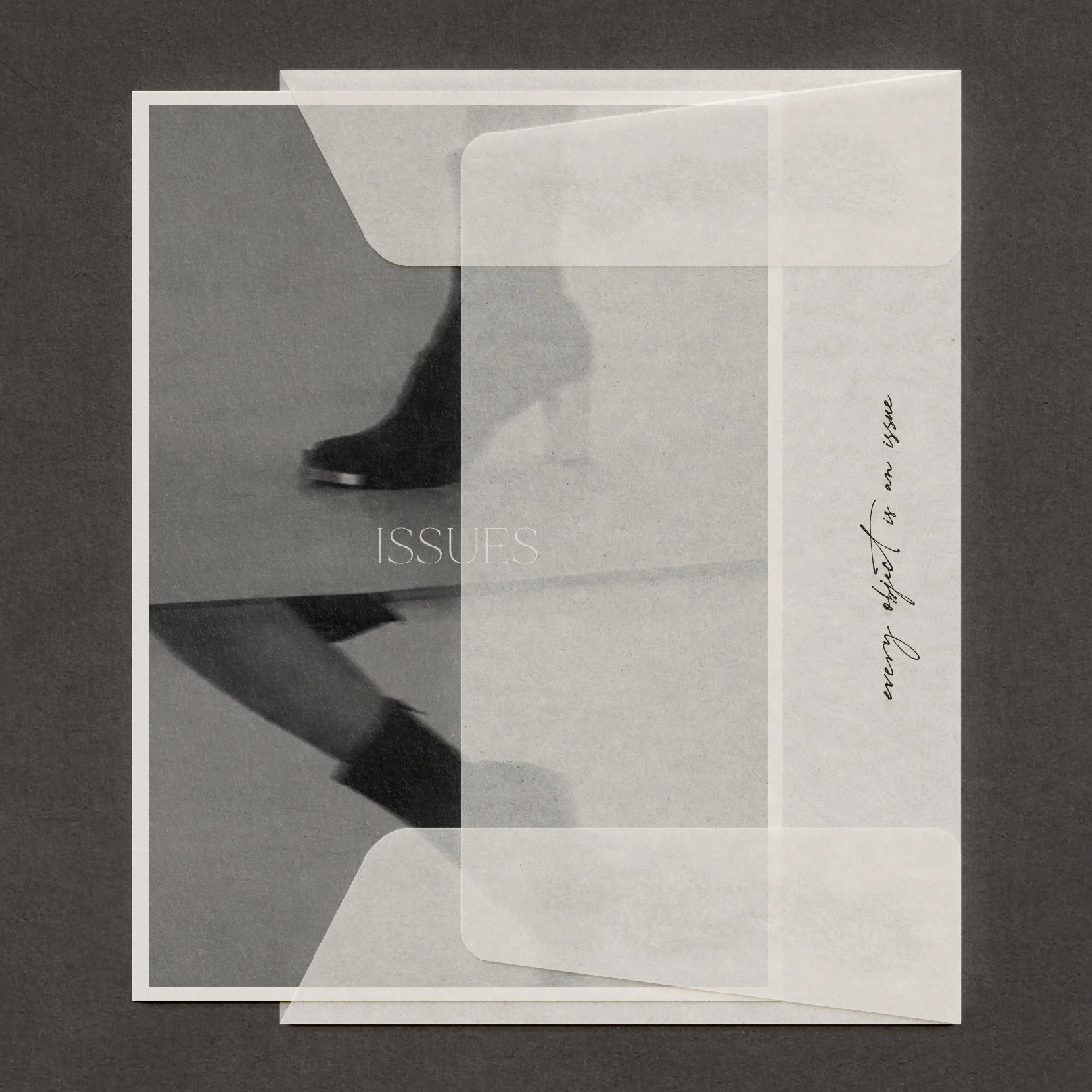
The Principles of Timeless Brand Design
While every brand is different, timeless identities tend to share a few key principles.
Clarity of concept.
A strong brand begins with a clear idea. When the concept behind a brand is well defined, every visual decision becomes intentional rather than decorative.
Restraint in design.
Timeless brands rarely rely on excessive decoration. Instead, they focus on balance, proportion, and thoughtful composition.
Strong typography.
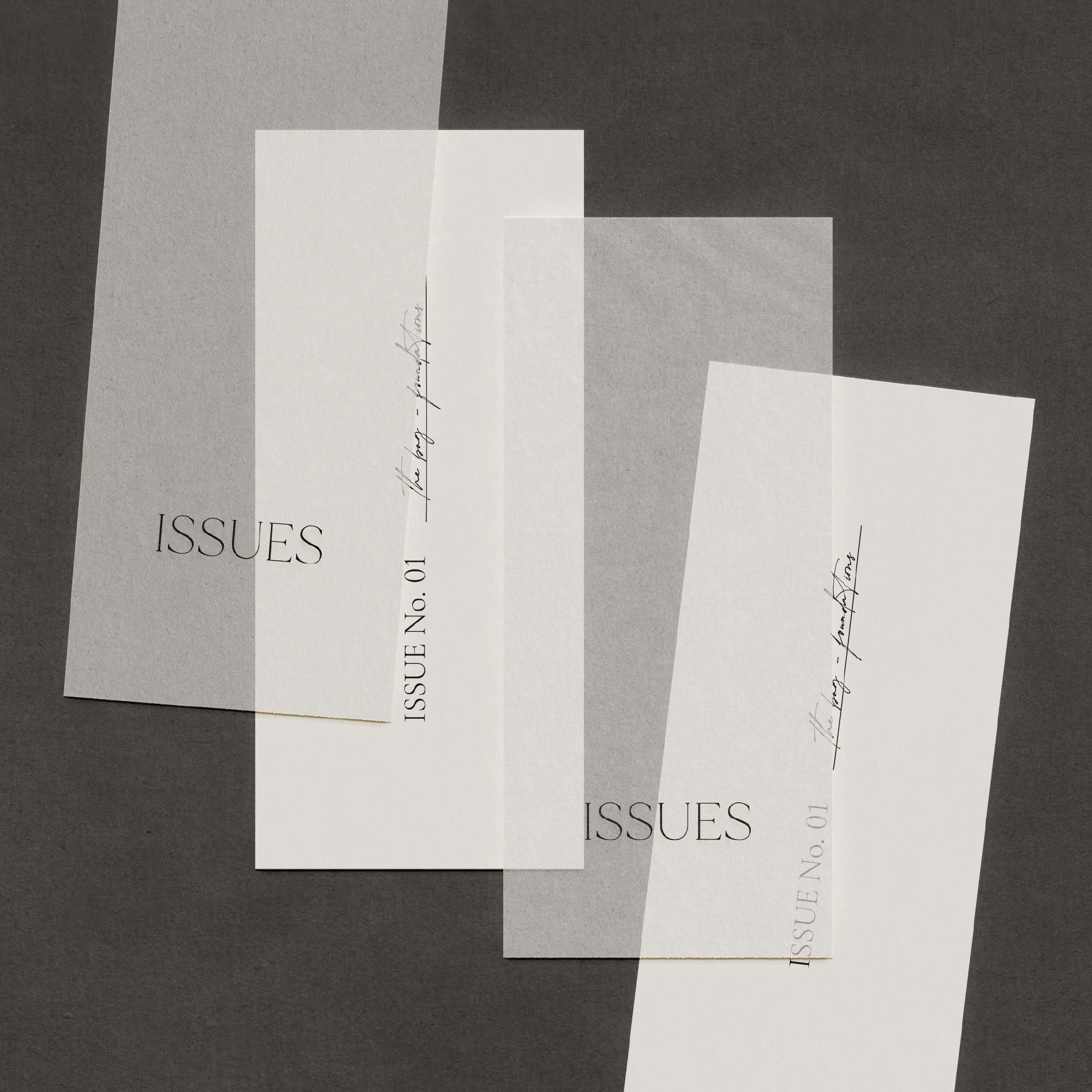
Typography plays a fundamental role in long-lasting identities. Carefully selected typefaces can carry personality while maintaining elegance and readability over time.
Consistency across applications.
A timeless brand works across many contexts: digital platforms, packaging, editorial layouts, and physical environments. A cohesive visual system ensures the brand remains recognizable everywhere.
Designing with Longevity in Mind
Designing a timeless identity requires a shift in perspective. Instead of asking what looks modern today, the real question becomes:
What will still feel relevant in ten or twenty years?
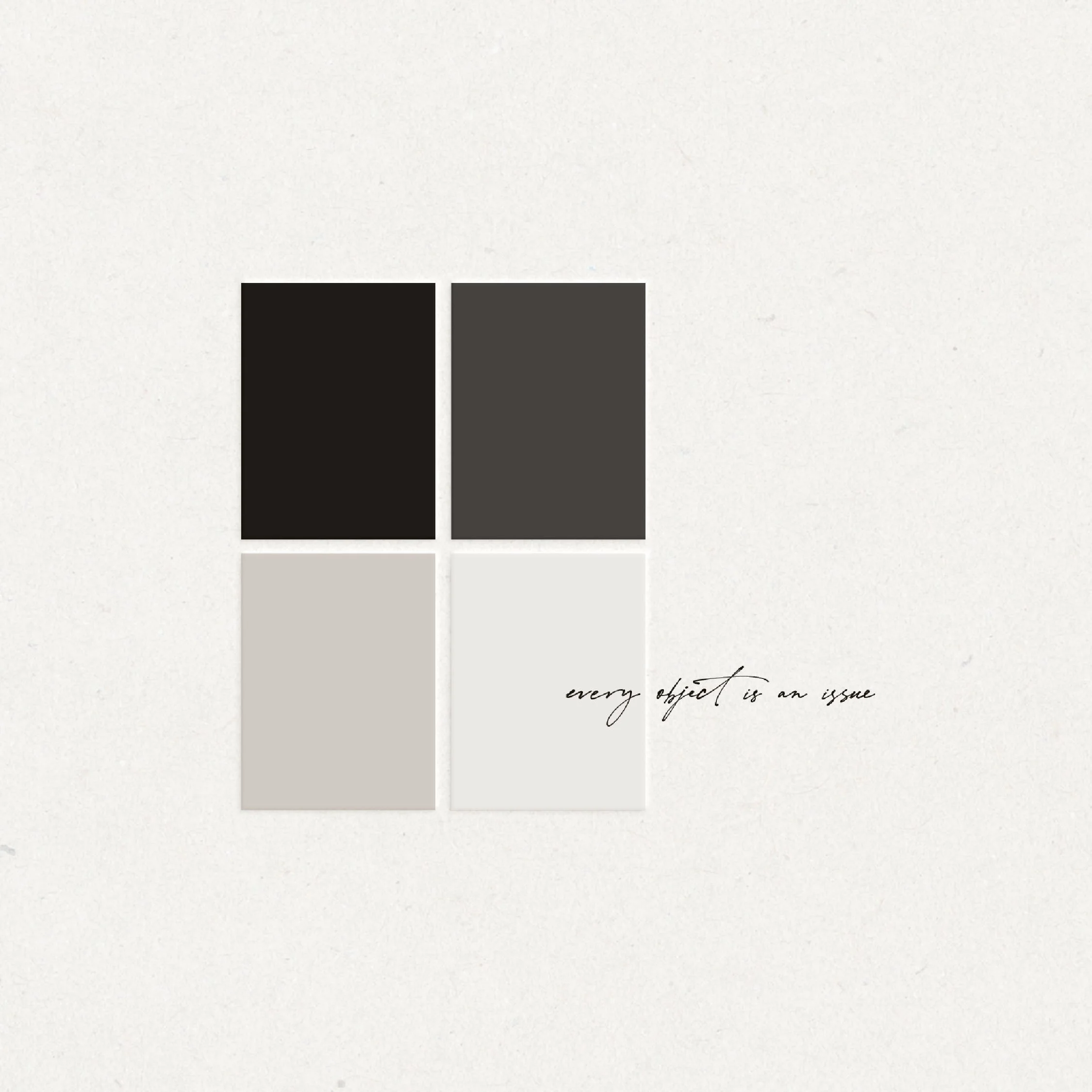
This approach often leads to visual systems that feel refined, balanced, and intentional. Color palettes tend to be controlled and harmonious. Typography becomes a central element. Layouts emphasize structure rather than decoration.
The goal is not to create something minimal for the sake of minimalism, but to design with clarity and purpose.
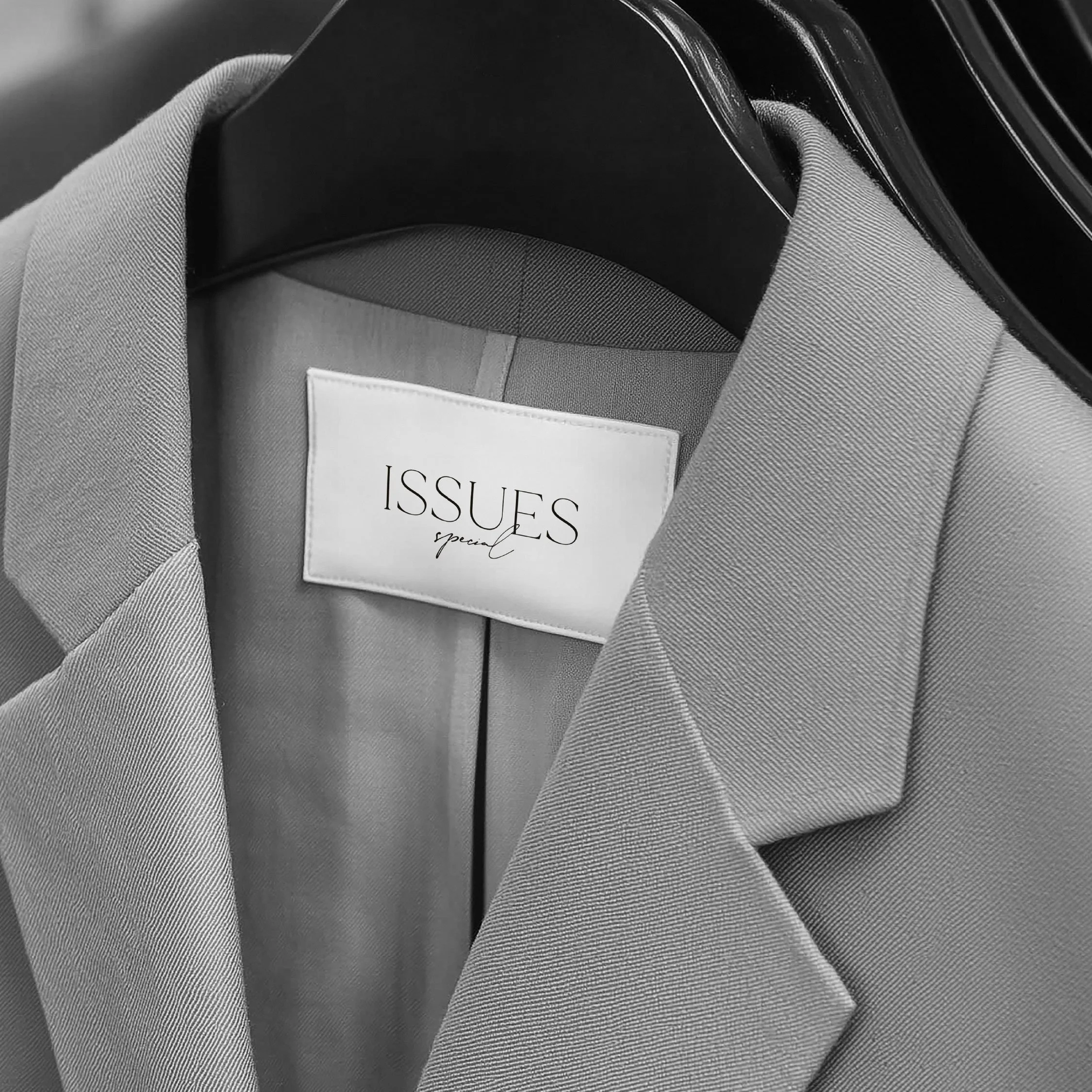
Why Timeless Branding Matters
For businesses, a timeless identity offers a powerful advantage: continuity.
Brands that constantly change their visual language risk losing recognition and trust. A well-designed identity, on the other hand, becomes an asset that grows stronger over time.
It creates familiarity, reinforces credibility, and allows the brand to evolve without needing to reinvent itself.
In the end, timeless branding is not about resisting change. It’s about building something strong enough to last beyond it.